Oral Sphere
Journal of Dental and Health Sciences

Journal of Dental and Health Sciences
Received: 2025-09-15
Accepted: 2025-11-30
Published: 2026-01-01
Pages: 9-16
Background: Retention is a critical phase of orthodontic treatment, ensuring long-term stability of teeth and preventing relapse. Among commonly used retainers, bonded fixed retainers (BRs) and vacuum-formed retainers (VFRs) are widely prescribed, yet evidence regarding their comparative effectiveness remains limited. This randomized clinical trial aimed to compare stability, survival rate, and patient satisfaction between BRs & VFRs over a six-month retention period.
Methods: A total of orthodontically treated patients were randomly allocated into two groups: BRs and VFRs. Stability was assessed using Little’s Irregularity Index (LII), intercanine width, intermolar width, and arch length at two-month intervals. Survival rates were recorded based on appliance failures, and patient satisfaction was evaluated using a structured questionnaire. Data were analysed using appropriate statistical tests with significance set at p < 0.05.
Results: LII values increased significantly in the VFRs group after four and six months, while BRs showed significant changes in only at six months. Intercanine width, intermolar width, and arch length remained stable in both groups. Survival rates were high for both retainers, with BRs showing 98% (maxilla) and 97% (mandible), while VFRs showed 98% (maxilla) and 95% (mandible). Patient satisfaction was greater with BRs (90%) compared to VFRs (67%), with VFR users reporting higher discomfort and speech difficulties.
Conclusion: Both BRs and VFRs demonstrated satisfactory survival rates, but BRs provided superior stability and greater patient satisfaction in the short-term retention phase. Long-term studies with larger samples are warranted.
The ultimate goal of fixed orthodontic treatment is to achieve a stable, aesthetically pleasing, and functional occlusion. These results can be obtained with a correct diagnosis and mechanics; however, long-term stability cannot be assumed [1]. Retention remains, as ever, the most unreliable and challenging aspect of orthodontic treatment, continuing to raise questions about which retention method yields the best results. When proper retention is not provided after the treatment, relapse can develop [2]. This is mainly because the gingival and periodontal soft tissues undergo extensive remodeling during orthodontic tooth movement and need time to reorganize after removal of appliances. As such, the treatment plan for retention should begin at the time treatment starts, and patients should be required to wear a retainer of some sort for several years to prevent relapse [3]. The fixed mandibular canine-to-canine retainer is a popular choice among various types of retainers. When deciding between a fixed and removable twin-block retainer, we should consider not only clinical effect but also patient compliance and preference. Historically, the concept of direct bonding of orthodontic attachments was introduced by Newman in 1965, and subsequently, bonded retainers were reported by Kneirim [4]. Bonded fixed retainers (BRs) are usually multistranded twist-flex wires bonded to the lingual or palatal surfaces of the anterior teeth. The significant pro for them is that they are not patient reliant; however, they may be technique-sensitive and have issues with bond failure. Some changes (e.g., bonding the topping only to the canines or applying resin-fibreglass strips) were developed over time to enhance their durability [5].
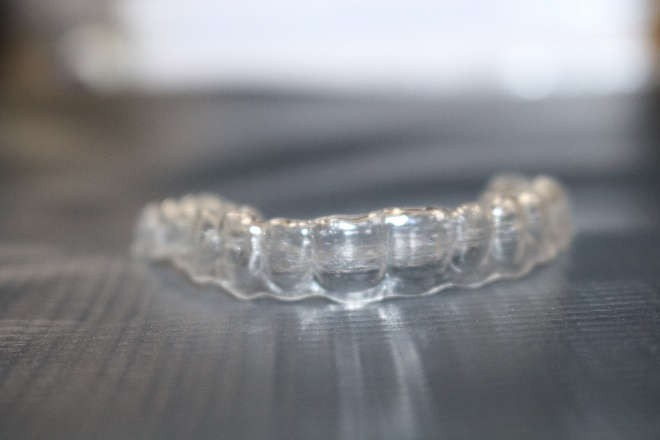
However, vacuum-formed retainers (VFRs) are esthetic clear appliances with an option to cover either the full arch or just the anterior segment. The fact that they can be removed by the patient, in case of necessity, has rendered them attractive among patients. Scientific evidence has indicated that VFRs may have more favourable mandibular anterior alignment in the first 6 months of retention than Hawley retainers [6]. Although full-time wear is commonly recommended initially, there are differing opinions on the optimal duration of use. Although durable and adjustable, Hawley retainers are not as aesthetically pleasing and may affect speech; consequently, they are less accepted by patients than VFRs [7].
An important aspect of retention is patient satisfaction. Previous research has demonstrated that VFRs are more acceptable to patients than Hawleys, as they tend to be less noticeable, interfere less with speech, and break less often. Yet, both BRs and VFRs are usually given in different combinations according to the orthodontist's preference and clinical need. There is scarce evidence on the comparison of survival rates and stability among BRs versus VFRs in various configurations, which has clinical importance [8].
The present report aimed to fill this gap and compare the clinical outcome between maxillary VFRs with mandibular BRs versus maxillary BRs and mandibular VFRs. The stability of retained teeth was the primary outcome, with retainer survival rate and patient satisfaction as secondary outcomes. The purpose of this randomised clinical trial was to assess and compare the stability, survival, pretreatment indices, and patient satisfaction of BRs versus VFRs over 6 months. The present study aimed to determine retainer survival at debonding, as well as at 2, 4 and 6 months post-debonding for each retention option; to compare the survival curves of Fret’s (FR) versus v-hts retainers through six months; and finally, to evaluate patient satisfaction with both retainer types at six months.
This clinical trial was commenced after obtaining approval from the Institutional Ethical Committee. Patients nearing the completion of fixed appliance therapy who would require retainers were invited to participate in the trial.
The participants were selected from a single centre at Hitkarini Dental College Figure 1.
The patient selection was based on the inclusion and exclusion criteria as mentioned below.
After the orthodontic fixed therapy involving both arches
Cases finished without the extraction of premolars or incisors
Cases that required correction of minor malocclusion, such as crowding/spacing less than 4mm
Good oral hygiene and periodontal status
Cases completed with proper alignment and levelling of arches
Participant willing to participate in this trial
Patients with medical history which may negatively influence the periodontium, such as diabetes mellitus, epilepsy, etc
Patients with chronic periodontitis
Multiple grossly decayed teeth
Absent or diminutive lateral incisors
Patients for whom the orthodontic treatment involves rapid maxillary expansion, orthognathic surgery, distraction osteogenesis, and accelerated orthodontics
Cleft palate or other dentofacial deformities
Informed consent was obtained from all eligible patients to participate in the study. The patients were segregated into 2 groups in a 1:1 allocation ratio. The patients were allocated to receive either Combination 1(Maxillary BRs and mandibular VFRs) or Combination 2 (Maxillary VFRs and Mandibular BRs). A computer-generated randomised sequence was used to prepare sealed envelopes containing the combinations 1 and 2 of retainers. A non-technical staff member, independent of this study, gave the sealed envelopes to the patient. Blinding was decided to be done only for the assessment of the patient satisfaction questionnaire described below.
At the end of orthodontic treatment, i.e., after debonding, impressions were made and retainers were placed, either maxillary VFRs, mandibular FRs, or maxillary FRs and mandibular VFRs, using standardised procedures and materials. A single operator performed the retainer procedures. A thorough oral prophylaxis and debridement were performed before the placement of retainers.
BRs were prepared using 0.018-inch, 3-strand twist flex stainless steel wire. The twisted wire was customised to the patient's arches using dental casts to lie passively over the lingual surfaces of the maxillary & mandibular incisors and canines. Following the proper etching of the enamel surface using 37% ortho-phosphoric acid and the application of primer (Transbond XT), the Flexible spiral wire was contoured interproximally, and flowable composite was used to bond the FSW to the maxillary or mandibular anterior teeth as required.
VFR: The post-treatment casts were trimmed ideally to adequately adapt the sheets onto the contours of teeth and gingival margins.
Maxillary & mandibular VFRs were vacuum-formed using Essix sheets of 1.6mm thickness in a “Drufomat Scan” machine (Dentsply Sirona), as per the manufacturer's instructions. The retainers were trimmed to cover all erupted teeth. Participants were instructed to wear the VFRs for 16 hours a day, and a demonstration was given for safer insertion and cleaning methods. The patient was also advised to maintain meticulous oral hygiene. Participants were asked to self-examine the VFRs daily and to note any breakage in the retainers. The criteria for breakage would include cracks, visible distortion, or an improper fit of the VFRs.
At the end of orthodontic treatment, i.e., after debonding, impressions were made and retainers were placed, either maxillary VFRs or mandibular BRs, or maxillary BRs and mandibular VFRs, using standardised procedures and materials. A single operator performed the retainer procedures. A thorough oral prophylaxis and debridement were performed before the placement of retainers.
BRs were prepared using 0.018-inch, 3-strand twist flex stainless steel wire. The twisted wire was customised to the patient's arches using dental casts to lie passively over the lingual surfaces of the maxillary & mandibular incisors and canines. Following the proper etching of the enamel surface using 37% ortho-phosphoric acid and the application of primer (Transbond XT), the Flexible spiral wire was contoured interproximally, and flowable composite was used to bond the wire to the maxillary or mandibular anterior teeth as required.
VFRs: The post-treatment casts were trimmed to an ideal size, allowing the sheets to adapt adequately to the contours of the teeth and gingival margins.
Maxillary & mandibular VFRs were vacuum-formed using Essix sheets of 1.6mm thickness in a “Drufomat Scan” machine (Dentsply Sirona), as per the manufacturer's instructions. The retainers were trimmed to cover all erupted teeth. Participants were instructed to wear the VFRs for 16 hours a day, and a demonstration was given for safer insertion and cleaning methods. The patient was also advised to maintain meticulous oral hygiene. Participants were instructed to self-examine the VFRs daily and to note any breakage in the retainers. The criteria for breakage would include cracks, visible distortion, or an improper fit of the VFRs.
The participants were asked to report at regular two-month intervals for review of the retainers. The outcome measures were assessed during every review visit. Impressions were recorded during every review visit to measure primary outcome parameters.
The primary outcome measured in this study was the stability of the retainers.
Retainer survival
Patient satisfaction
The various measures for the primary outcome, i.e., stability of retainers LII and changes in arch dimensions, i.e., arch length, intercanine width, and intermolar width.
The clinical effectiveness of retainers can be based on their ability to maintain the teeth in the same position as when they were debonded, as well as their ability to prevent post-treatment changes over the first six months of retention.
The changes during the retention period would be defined under two categories:
1) By any deviation in the alignment of maxillary or mandibular anteriors. 2) By changes in arch dimensions. The alignment changes were evaluated using LII. The dimensional changes in the maxillary and mandibular arches were calculated by assessing arch length, intercanine width, and intermolar width.
Alginate impressions were obtained at 4 time-points during the trial (T1–T4) and were measured by the same examiner to an accuracy of 0.01 mm.
T1- At debond
T2- 2 months post-debond
T3- 4 months post-debond
T4- 6 months post-debond
LII values increased progressively in the FRs group across the 6 months, but the magnitude of change remained lower than in the VFRs group, confirming superior stability with FRs.
Intercanine width: For BRs, inter-canine width remained stable throughout the study, averaging ~29.9 mm, with no statistically significant differences across time points (p > 0.05).
Intermolar width: The inter-molar width in the BRs group also remained consistent, averaging ~46.4 mm. Changes over time were negligible and statistically insignificant.
Arch length: Arch length values in BRs remained steady at ~70.2 mm, with no significant differences observed between T1 and T3.
While minor variations were observed, intercanine width, intermolar width, and arch length demonstrated overall stability in both groups, reinforcing that the primary difference lay in anterior alignment (LII).
BRs: Failures mainly were limited to minor debonding events, with higher overall survival compared to VFRs.
VFRs: More frequent fractures and replacements were reported, resulting in shorter mean survival days.
Questionnaire-based feedback indicated that:
BRs were favoured for convenience and minimal patient responsibility, though some initial discomfort was noted due to tongue interference.
VFRs were rated higher for esthetics and comfort, but compliance was inconsistent, and some patients experienced speech difficulties.
Overall, VFRs were preferred in terms of aesthetics, while BRs were appreciated for reliability and reduced compliance demands.


| S. No | Primary Outcome parameter | Description |
|---|---|---|
| 1 | LII (millimetres) | The sum of the five labial segment anatomical contact point displacements in a labiolingual direction |
| 2 | Intercanine width (millimetres) | Distance between the cusp tips of right and left maxillary or mandibular canines. |
| 3 | Intermolar width (millimetres) | Distance between the mesiobuccal cusp tip of the right first molar to the mesiobuccal cusp tip of the left first permanent molar. |
| 4. | Arch length (millimetres) | The sum of the right and left distances from the mesiobuccal cusp tip of the first permanent molars to the interproximal contact point of the central incisors |
| SL. NO | Questions | Maxilla VFR | Maxilla FR | Mandible VFR | Mandible FR |
|---|---|---|---|---|---|
| 1 | Is wearing a retainer painful? | Yes No | Yes No | Yes No | Yes No |
| 2 | Does it affect speaking? | Yes No | Yes No | Yes No | Yes No |
| 3 | Does it affect brushing? | Yes No | Yes No | Yes No | Yes No |
| 4 | Does it affect eating? | Yes No | Yes No | Yes No | Yes No |
| 5 | Is wearing a retainer comfortable? | Yes No | Yes No | Yes No | Yes No |
| Time | Parameter | Group | N | Mean | SD | SE | P value |
|---|---|---|---|---|---|---|---|
| T1 | LII | BRs | 10 | 0.300 | 0.249 | 0.079 | 0.255 |
| VFRs | 10 | 0.420 | 0.204 | 0.065 | 0.561 | ||
| T2 | Intercanine width | BRs | 10 | 33.600 | 1.541 | 0.487 | 0.057 |
| VFRs | 10 | 33.970 | 1.233 | 0.390 | 0.294 |
(Data continues for intermolar width and arch length, showing minor, non-significant differences between groups.)
| Time | Parameter | Group | N | Mean | SD | SE | P value |
|---|---|---|---|---|---|---|---|
| T1 | LII | BRs | 10 | 0.270 | 0.177 | 0.056 | 0.319 |
| VFRs | 10 | 0.380 | 0.290 | 0.092 | 0.285 | ||
| T2 | Intercanine width | BRs | 10 | 26.190 | 1.504 | 0.476 | 0.543 |
| VFRs | 10 | 25.630 | 0.570 | 0.180 | 0.084 |
Interpretation:
Across both arches, BRs consistently demonstrated slightly lower LII values, indicating superior anterior stability. Differences in intercanine width, intermolar width, and arch length between groups were minimal and not statistically significant.
| Group | Mean | Std. Error | 95% CI (Mandible) | 95% CI (Maxilla) |
|---|---|---|---|---|
| 1 | 0.285 | 0.047 | 0.186 | 0.384 |
| 2 | 0.320 | 0.046 | 0.224 | 0.416 |
| 3 | 0.500 | 0.079 | 0.334 | 0.666 |
| 4 | 0.655 | 0.114 | 0.417 | 0.893 |
| (I) Group | (J) Group | Mean Difference (I-J) | Std. Error | Sig. | 95% CI (Mandible) | 95% CI (Maxilla) |
|---|---|---|---|---|---|---|
| 1 | 4 | -0.370* | 0.115 | 0.028 | -0.709 | -0.031 |
| 2 | 4 | -0.335* | 0.106 | 0.032 | -0.648 | -0.022 |
(*Significant at p < 0.05)
Interpretation:
LII values increased progressively in the FRs group across the 6 months, but the magnitude of change remained lower than in the VFRs group, confirming superior stability with FRs.
Intercanine width: For BRs, inter-canine width remained stable throughout the study, averaging ~29.9 mm, with no statistically significant differences across time points (p > 0.05).
Intermolar width: The inter-molar width in the BRs group also remained consistent, averaging ~46.4 mm. Changes over time were negligible and statistically insignificant.
Arch length: Arch length values in BRs remained steady at ~70.2 mm, with no significant differences observed between T1 and T3.
While minor variations were observed, intercanine width, intermolar width, and arch length demonstrated overall stability in both groups, reinforcing that the primary difference lay in anterior alignment (LII).
BRs: Failures mainly were limited to minor debonding events, with higher overall survival compared to VFRs.
VFRs: More frequent fractures and replacements were reported, resulting in shorter mean survival days.
Questionnaire-based feedback indicated that:
BRs were favoured for convenience and minimal patient responsibility, though some initial discomfort was noted due to tongue interference.
VFRs were rated higher for esthetics and comfort, but compliance was inconsistent, and some patients experienced speech difficulties.
Overall, VFRs were preferred in terms of aesthetics, while BRs were appreciated for reliability and reduced compliance demands.
Retention is an integral part of orthodontic treatment, securing to results obtained through active treatment and preventing relapse. Treatment and/or post-treatment alignment may be considered successful, even if moderate success is achieved with active treatment, because the final result is influenced by the retention protocol and type of retainer used. An inability to maintain retention may cause orthodontic relapse, disheartening both the patients and the practitioners. Biologically, relapse may be caused by the failure of reorganisation of the gingivoperiosteum and periodontal tissues, as well as residual growth and soft tissue force disharmonies. Consequently, retention should ideally be performed until these factors become stabilised [10].
The present randomised trial compared the clinical behaviour of BRs and VFRs during a 6-month follow-up period. Both retainers are frequently recommended; however, the stability, survival, and patient satisfaction remain controversial. "The devices have been studied either in vitro or retrospectively to date, and there are only three prospective randomised trials to compare them," accordingly to K Forde (2018). Stability was assessed using the following parameters in this study: LII, intercanine width, intermolar width, and arch length. LII was the only parameter that showed statistically significant changes, whereas the other indices did not differ between the two groups. The observation of the rise in VFRs already at 4 and 6 months is also noteworthy, considering that the increase was only observed at 6 months for BRs. These data indicate that VFRs may become less effective after a few months, possibly due to patient noncompliance or deformation and wear that occur to the material.
Similar findings have been described in previous studies. Forde K et al. (2018) [11] did not find a significant difference between VFRs and BRs in the preservation of post-treatment alignment. This finding is consistent with the present study, which shows that BRs have a slight advantage in terms of stability over time.
One more significant clinical consideration is the survival rate of retainers. In the present study, BRs showed success rates of 98% in the maxilla and 97% in the mandible, with a few failures that occurred later during the six-month observation period. Some previous studies reported survival rates at lower levels (50-80%), especially when using multistrand wire retainers. The higher success rates observed here may be attributed to experienced operators, as the literature suggests that treatment success is strongly influenced by operator experience. Khalil et al. [12], for example, demonstrated higher failure rates in maxillary retainers due to occlusal loads in that area; however, a similar study found that the majority of mandibular retainer failures occurred. This inconsistency can again be attributed to placement precision.
Regarding VFRs, the results of this study demonstrated survival rates for the maxilla (98%) and mandible (95%), with most failures being breakages from full-time use or patients wearing these appliances during mastication. Salehi P et al. found that continuous wearing was related to higher breakage rates. Overall, the survival rates of both groups studied in this project were comparable to or better than those previously reported [13].
Compliance and long-term success will be influenced by patient satisfaction. In the present report, 90% of patients were satisfied with the BRs, compared to 67% with VFRs. Discomfort, speech handicap and oral hygiene problems were more often associated with VFRs.
This is corroborated by the observational findings of Rowland et al. (2007) [9], who described speech problems in 22% of VFR users and found a lesser degree of speech interference using BRs compared to both VFRs and Hawley retainers. Paradoxically, although VFRs were considered easier to clean as they are removable, the advantage was neutralised by greater discomfort and difficulties in speech.
This study had certain limitations. The sample size was smaller than in some previous trials, and the questionnaire used was limited to closed-ended questions, which may have restricted the depth of patient feedback. Moreover, the study duration was limited to six months, whereas long-term follow-up is essential to evaluate stability and survival outcomes thoroughly. Future research should also assess the periodontal health implications of various retainers, as these may influence clinical recommendations.
Overall, the findings of this study indicate that BRs demonstrate slightly superior stability and higher patient satisfaction, with comparable survival rates to VFRs over a six-month period. These results are consistent with several previous studies; however, some discrepancies highlight the importance of operator expertise, compliance, and study design in achieving accurate results. Taken together, the evidence suggests that both retainer types are clinically effective; however, BRs may provide a more predictable outcome in maintaining alignment and ensuring patient comfort during the early retention phase.